The energy industry is undergoing a rapid transformation, driven by the rise of distributed energy resources (DERs), smart grids, and increasing consumer engagement. This transformation requires robust, flexible, and secure technology platforms. While some proprietary solutions offer compelling features, the open-source SolarNetwork platform (solarnetwork.net) presents a powerful and increasingly attractive alternative, backed by a thriving community and offering unique advantages.
For too long, the energy sector has been plagued by “reinventing the wheel,” with companies building similar tech stacks from scratch. This costly and inefficient approach hinders innovation and slows down the energy transition. SolarNetwork offers a different path: a mature, open-source platform developed since 2009, providing a solid foundation for the management of DER.
The Limitations of Proprietary Platforms:
Proprietary platforms often present well with the help of marketing campaigns that boast slick interfaces and pre-built integrations. However, they come with inherent limitations:
- Vendor Lock-in: Reliance on a single vendor can restrict flexibility and limit future options. Migrating away from a proprietary platform can be expensive and disruptive.
- Cost: Subscription fees for proprietary platforms can be substantial, especially as data volume and usage grow.
- Limited Customization: Adapting a proprietary platform to specific needs can be challenging, as users are dependent on the vendor for updates and new features.
- Lack of Transparency: The inner workings of proprietary platforms are often opaque, making it difficult to assess security and data handling practices.
SolarNetwork: A Different Approach:
SolarNetwork offers a compelling alternative, leveraging the power of open source:
- Open Source Freedom: SolarNetwork’s open-source nature provides unparalleled flexibility and customization. Users can modify and extend the platform to meet their specific requirements, without being constrained by vendor limitations. The most obvious example of this is the ability to modify or create new device plugins if or when that is required.
- Community-Driven Development: A community of software developers and industry practitioners contribute to SolarNetwork’s ongoing development, ensuring continuous improvement and rapid adaptation to evolving needs. This collaborative approach fosters innovation and ensures the platform remains cutting-edge.
- Cost-Effectiveness: While commercial support and hosting options are available through the SolarNetwork Foundation, the open-source core of SolarNetwork can be used without licensing fees (including the option to self host if desired). This makes it a highly cost-effective solution, for both smaller organizations and large enterprise scale global offerings.
- Data Ownership and Control: SolarNetwork prioritizes data ownership and control. Users retain ownership of their data and have granular control over privacy settings.
- Robust Security: SolarNetwork incorporates strong security measures, including HTTPS (TLS 1.2+), X.509 client certificate authentication, and token-based access control. The platform can also be deployed behind a VPN or HTTPS proxy for added security. SolarNetwork does not use security by obscurity techniques.
- Extensive Integration Capabilities: SolarNetwork boasts cloud integrations, an extensive suite of developer friendly APIs as well as an impressive list of physical device plugins. These enable a seamless connection between your business infrastructure and a wide range of energy devices (i.e. meters, inverters, energy storage systems, environmental sensors, control devices) as well as energy markets and weather data sources. These extensive capabilities reduce the need for custom device integrations, as well as eliminating the need to manually standardize and normalize grid edge data streams in your business applications, hence saving significant time and effort for your team.
- Flexible Deployment Options: SolarNetwork has historically been deployed on both bare metal and in the cloud. The easiest and recommended hosting solution is to leverage SolarNetwork Foundation’s subscription-based solution hosted on AWS, providing a managed service option for organizations that prefer not to be dealing with the burden of low level infrastructure.
SolarNetwork vs. Proprietary Platforms: A Clear Choice:
In a rapidly evolving energy landscape, flexibility, security, and cost-effectiveness are paramount. SolarNetwork offers a unique combination of these advantages, making it a clear choice for organizations seeking a powerful and adaptable energy data management platform. While proprietary solutions may offer the appearance of a slick glossy solution with a quick start, SolarNetwork’s open-source nature, strong community support, and robust features provide a more sustainable and future-proof solution for the energy transition.
Choosing SolarNetwork means choosing:
- Innovation: Benefit from the collective intelligence of a global community of developers.
- Flexibility: Adapt the platform to your specific needs, without vendor lock-in.
- Security: Leverage robust security measures to protect your valuable data.
- Cost-Effectiveness: Reduce costs and maximize your return on investment.
- Community: Join a thriving community of users and developers.
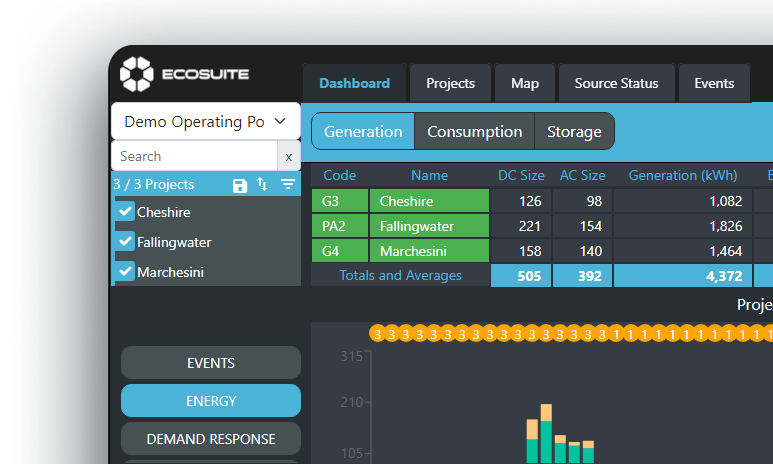
The energy transition demands open, collaborative solutions. Consequently it will likely not surprise you to learn that we built Ecosuite on top of SolarNetwork, it was the obvious and simple choice for us. SolarNetwork is leading the way, empowering organizations to embrace the future and leverage the opportunity of distributed energy. Learn more at solarnetwork.net and join the movement.



 Unlimited external users